
Archive For: Travel to Romania
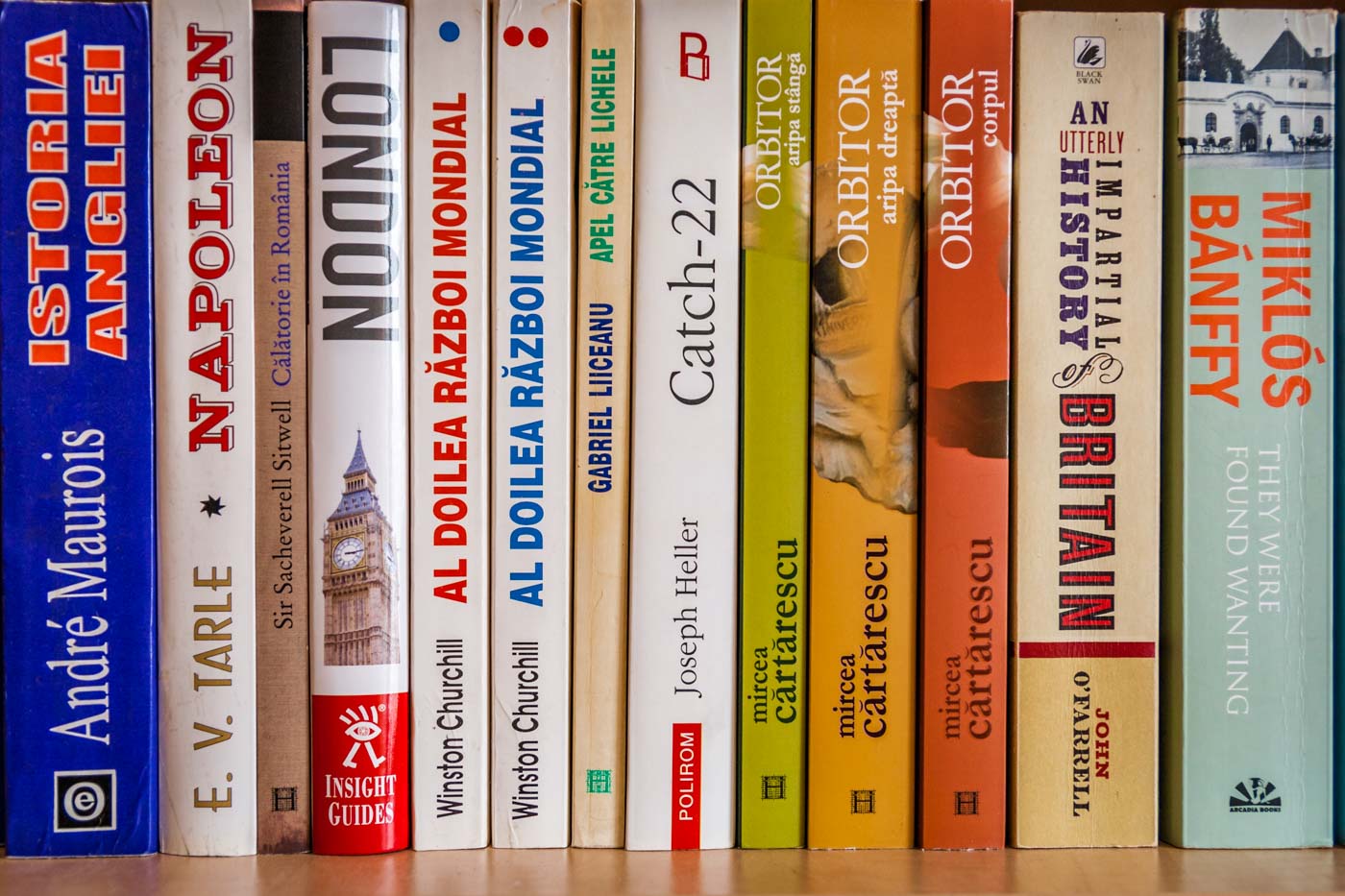
Books about Romania – part 1
One country, three books If you are reading this article, you are thinking about traveling to our country soon, and you would like to find out which are the highlights of Romania and the experiences you should not miss. The internet and the travel guides are excellent sources for your documentation. But what about getting…
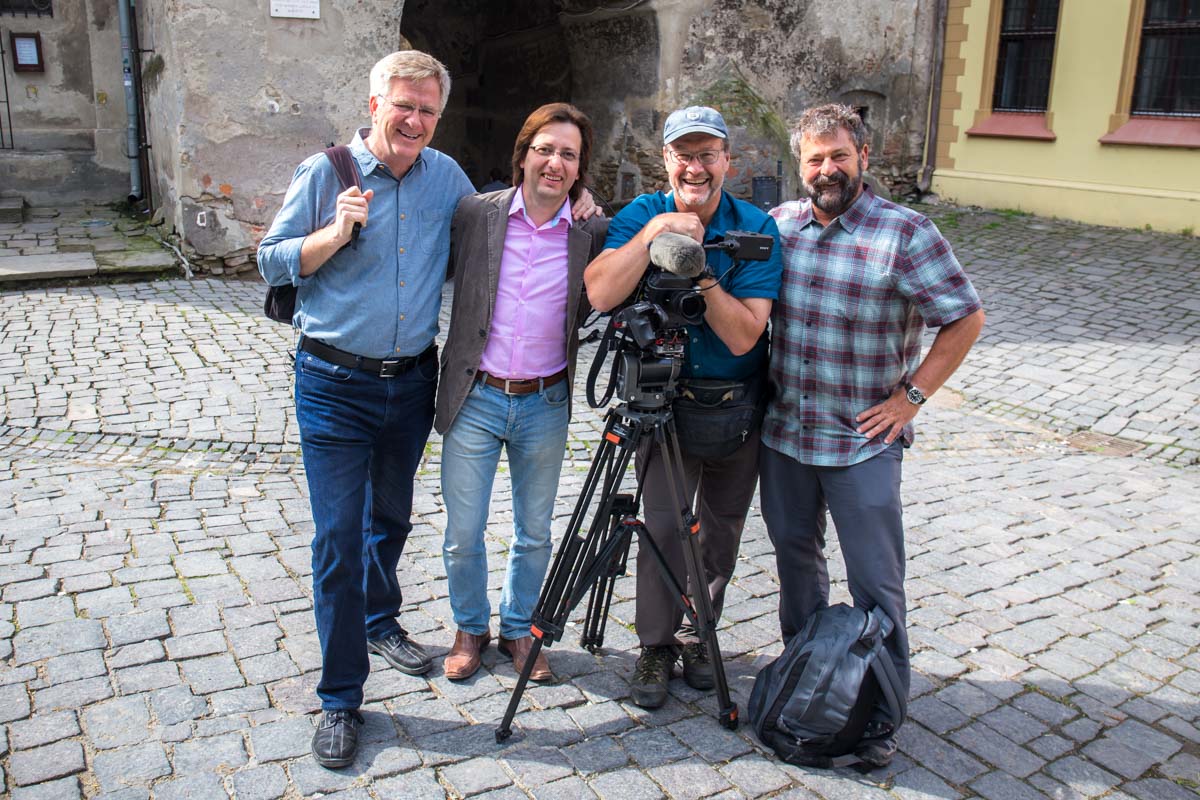
Guiding Rick Steves in Transylvania
In May and June 2016 we had the chance of having Rick Steves, together with his team, as our guest. Although they were not in Romania for the first time, it was still the first time they were about to produce a travel documentary about Bucharest, Transylvania, and Maramures.

Photo Travel Destinations in Romania
Though not too much is known about this ancient Eastern European country, Romania is becoming more and more popular with tourists from all around the world – and most of all, with photographers who are eager to discover its natural beauty and rich historical legacy of medieval cities, castles and citadels, picturesque Orthodox churches, quaint villages, and most of all, the Romanian people.
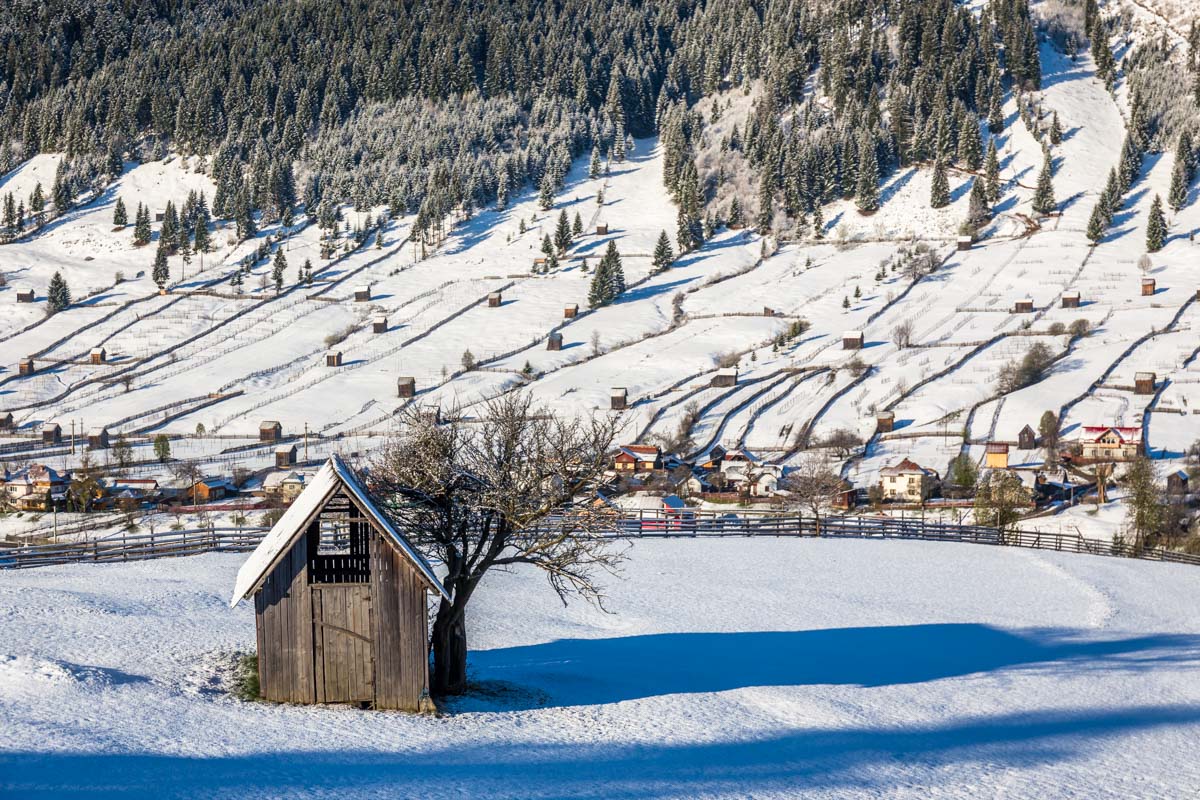
The History of Bucovina
Bucovina is known today for its painted churches, good food, beautiful landscape and traditional crafts. Beside these, it has a long and interesting history.
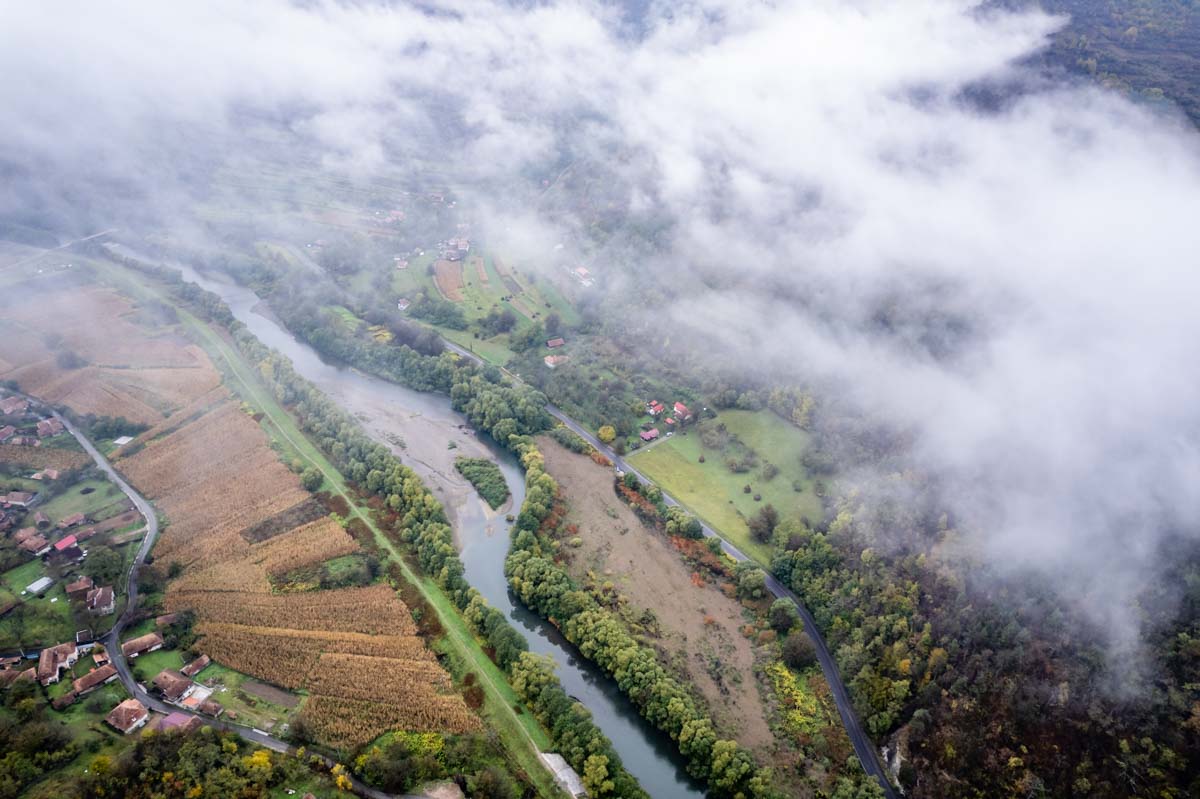
General Aspects about Romania
Many of you might think that Romania is located in the eastern part of Europe, in fact, when asked where have you been, most of you will say that you have been in Eastern Europe. Well, this is wrong. Romania is located pretty much in the center of Europe, almost the half distance from the western and eastern fringes of Europe (2600km roughly). If Romania is an eastern European country then what can we say about Azerbaijan, Georgia or about the people who live in the western part of the Ural Mountains?

Martisor – March Charm
The “martisor” is, in popular tradition, a symbol of weeks, months and years gathered and twisted into a string with two colors, the colors representing the winter and the summer. It represents a present given to the women on the first of March. The richer families had “martisoare” with strings made of silver and gold. Children would wear it tied to their hand, on their chests or around their necks.